Academic Programs
Oregon Tech's main campus is located in Klamath Falls, Oregon. Nestled on the eastern slope of the Cascade Mountains, the campus provides a rigorous and robust atmosphere distinguished by small classes and a student-to-faculty ratio of 20:1.
View Degree Programs A-Z: A |
B |
C | D | E
| G
| H
| I
| M
| N
| O
| P
| R
| S
| V
Our Management curriculum is designed to provide students with solid preparation for leadership in today's high-tech business environments or to pursue professional licensure or MBA studies.
This program bridges two different disciplines and departments: Allied Health and Management. The Bachelor of Science in Allied Health Management offers emphasis in most of the Allied Health majors offered at Oregon Tech.
The Biology degree prepares students for careers in biology or life science professions, as well as admission to professional programs in biomedical and health sciences, or graduate programs in life sciences and education. The Biology program provides students fundamental preparation in biology, chemistry, physics and mathematics.
At Oregon Tech, Civil Engineering students can explore many facets of the profession, including structural, environmental, transportation, and geotechnical engineering. Civil engineering focuses on responsible planning, design, construction, and maintenance of the nation’s infrastructure. Civil engineers design communities, highways, bridges, buildings, dams, and water and waste management systems.
All professions seek people with solid communication skills. Oregon Tech’s Communication Studies program allows students flexibility in designing a program that fits their life and career goals. Students choose core courses and electives from areas such as technical, organizational, and interpersonal communication.
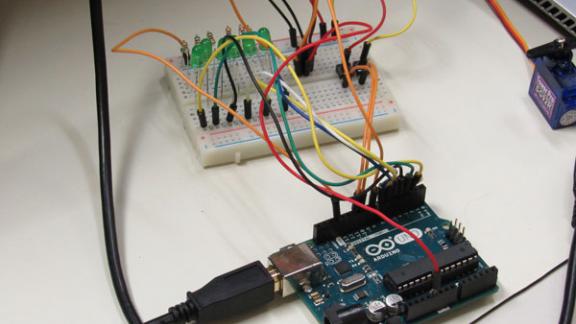
Students in Computer Engineering Technology learn computer systems along with the traditional aspects of applied engineering. The major is often referred to as “hardware.” The major actually prepares students to apply both hardware and software systems to computer applications.
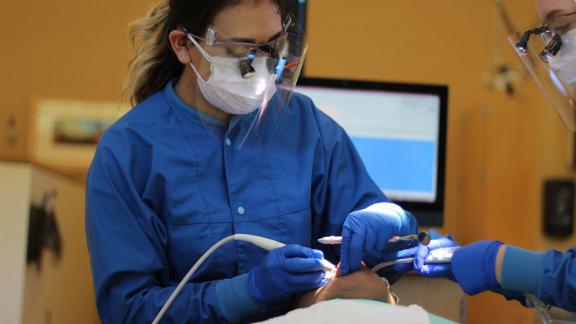
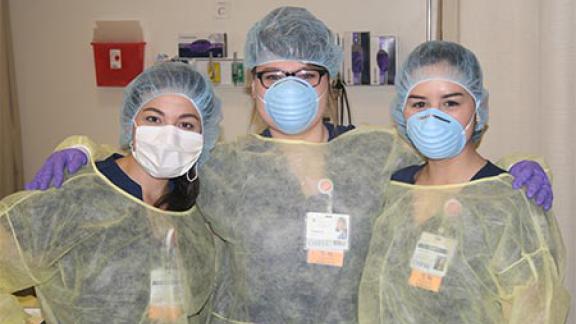
Oregon Tech's Dental Hygiene program provides a unique holistic approach that combines highly effective professional training with hands-on outreach opportunities. Upon successful completion of the program, the graduate is eligible to apply for examination and state licensure.
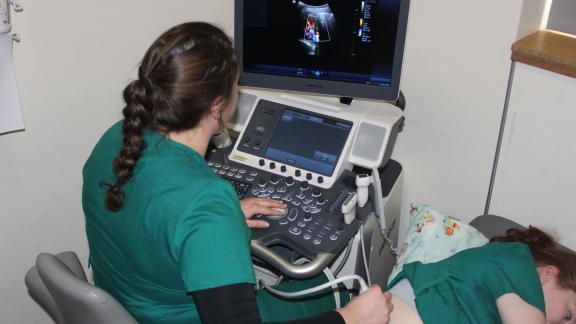
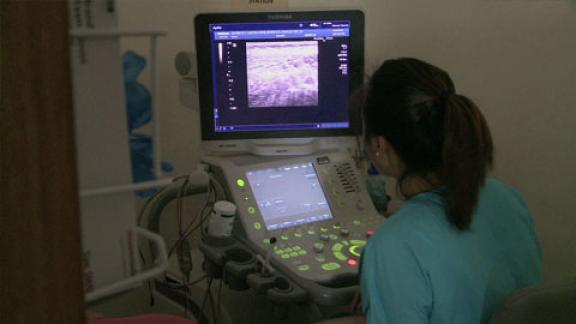
Diagnostic Medical Sonography (DMS) uses special equipment to direct high frequency sound waves into areas of the patient’s body, which is later interpreted by a physician. Instructors teach DMS students to use high-frequency sound-wave imaging and Doppler instrumentation.
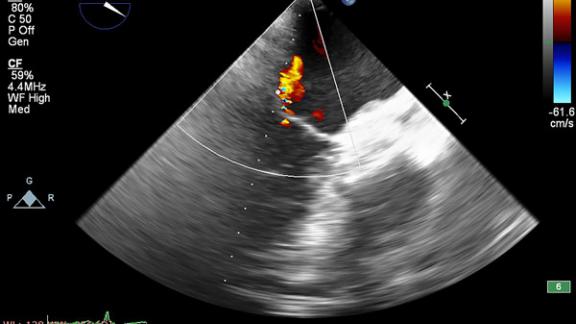
The degree in Echocardiography, also referred to as cardiac ultrasound, prepares graduates to perform the safe, non-invasive method of obtaining ultrasound images for diagnosis of cardiac pathology in adult and pediatric patient populations.
The Electrical Engineering program at Oregon Tech is concerned with theory, concepts, and practices of applied electrical and electronics engineering by applying math, science, and engineering principles to engineering problems. Electrical engineering provides the most career opportunities in the engineering field.
The goal of the Embedded Systems program is to prepare students with the skills demanded by real-world industrial applications on diverse products like interactive multimedia, printers, medical equipment, avionics equipment, kitchen appliances, cell phones, and automotive engine management units.
Our Management curriculum is designed to provide students with solid preparation for leadership in today's high-tech business environments or to pursue professional licensure or MBA studies.
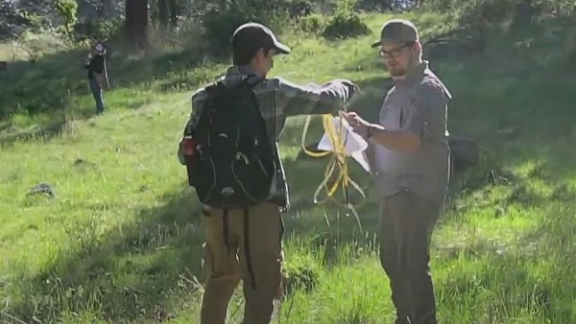
In Environmental Sciences, students combine their interest in science and math with a knack for problem solving to help study and manage the Earth's natural resources and ecology. Students learn how to use state-of-the-art instruments to analyze environmental problems while conducting field work in stunning natural habitats surrounding the Klamath Basin.
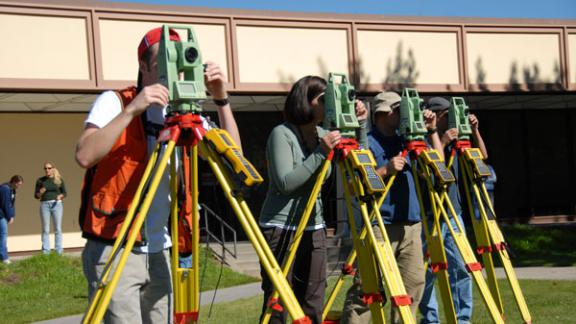
Geomatics is an exciting profession that fuses land surveying, geographic information systems (GIS), and advanced computer technology. Geomatics professionals use an integrated approach to measuring, analyzing and managing spatial data, employing high-tech equipment like Geographic Information Systems (GIS), Global Positioning Systems (GPS), digital photogrammetry, digital total stations, satellite and terrestrial remote sensing to create a detailed but understandable picture of the Earth's natural and man-made features.
Health Sciences is akin to a pre-med major at other universities. It provides intensive study and a strong foundation in the medical sciences, chemistry, physics, the social sciences, communications and mathematics.
Oregon Tech offers four options in the Information Technology degree: Accounting, Applications Development, Business/Systems Analysis, Health Informatics. The program provides a challenging, state-of-the-art education for those interested in learning the dynamic and growing field of information technology. The field is interdisciplinary with applications to all aspect of the economy.
The Department of Management offers a variety of programs in Accounting, Allied Health Management, Information Technology, Entrepreneurship, Health Informatics, Marketing, and Operations Management.
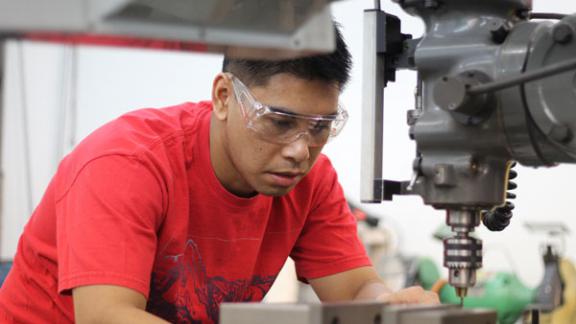
Manufacturing engineers combine technology and management principles to design facilities, machinery and processes that meet business goals. They must understand the theory and applications of computer-aided design and manufacturing (CAD & CAM), computer simulation, robotics, electrical and fluid power, motion control, integrated control systems, machine design, facilities design, tool design and process analysis and design.
Our Management curriculum is designed to provide students with solid preparation for leadership in today's high-tech business environments or to pursue professional licensure or MBA studies.
The department supports all mathematics courses needed by various majors on our campuses. Course work for the Bachelor of Science in Applied Mathematics is intended to provide a solid foundation of mathematical theory and a broad selection of applied work both in and outside mathematics.
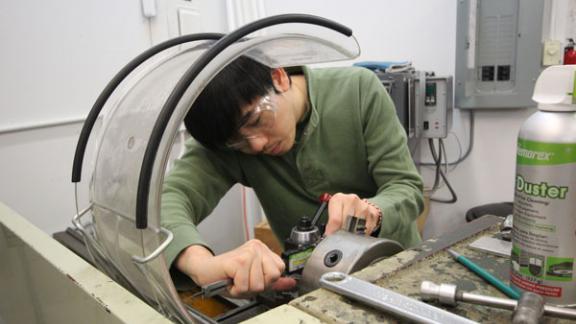
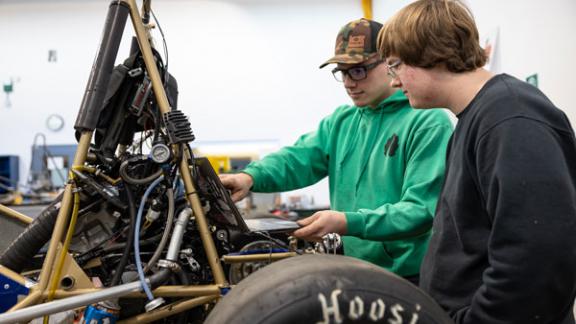
Mechanical Engineering majors learn the theory and application of mechanical design and the process of developing a product that can improve society. Mechanical Engineering graduates obtain a working knowledge of core engineering disciplines including mechanics, dynamics, fluid mechanics, thermal science, and materials science. Mechanical Engineering at Oregon Institute of Technology is a hands-on applied engineering program.
In addition to an excellent engineering education graduates obtain practical skills to succeed in their chosen career path. Mechanical engineering is one of the broadest engineering disciplines, so graduates have a wide range of career options from which to choose.
At Oregon Tech, Mechanical Engineering Technology majors learn the theory and application of mechanical design and the process of developing a product that can improve society. Mechanical Engineering Technology majors work in many industries, and their work varies by industry and function. Some specialize in energy systems; applied mechanics; automotive design; manufacturing; materials; plant engineering and maintenance; pressure vessels and piping; and heating, refrigeration and air-conditioning systems.
Oregon Tech offers Bachelor of Science programs in Diagnostic Medical Sonography, Nuclear Medicine Technology, Radiologic Science, Echocardiography, and Vascular Technology.
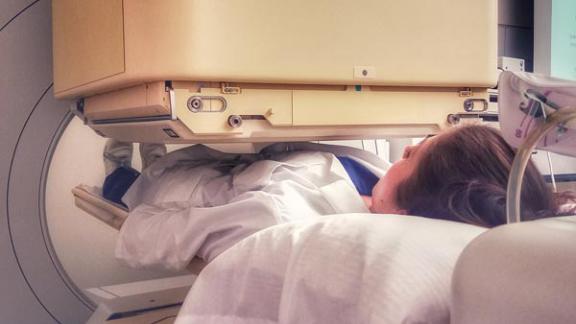
Nuclear Medicine Technology (NMT) utilizes radio-pharmaceuticals to image physiological processes; similar to an X-ray from the inside-out. It is a major that combines chemistry, physics, mathematics, computer technology, and medicine using radioactivity to construct images of organs and studies physiological processes for diagnostic, therapeutic and research purposes. The NMT program is one of a few Bachelor of Science degrees in Nuclear Medicine Technology in the U.S.
At Oregon Tech, students acquire sound clinical judgment and excellent technical skills, while completing all the lower-division requirements necessary to apply to the Oregon Health and Science University's (OHSU) School of Nursing.
The degree in Operations Management prepares students for leadership positions in the production and service industries. Particular emphasis is directed toward developing the ability to contribute to the improvement of productivity in a quality-oriented environment and to manage effectively in a team based work environment. Students should develop mastery of concepts, tools, and skills in management sciences and specialties. Oregon Tech offers Operations Management degree programs in Klamath Falls and Portland.
Oregon Tech’s Applied Psychology program allows students to choose among three specializations: human services, organizational development, and pre-education.
The human-services option prepares graduates to work with social service agencies and mandated clients. In organizational development, students learn how businesses change and develop and how best to manage that evolution. In pre-education, students are prepared for graduate studies in education with a focus on elementary or secondary teaching with an emphasis in social sciences.
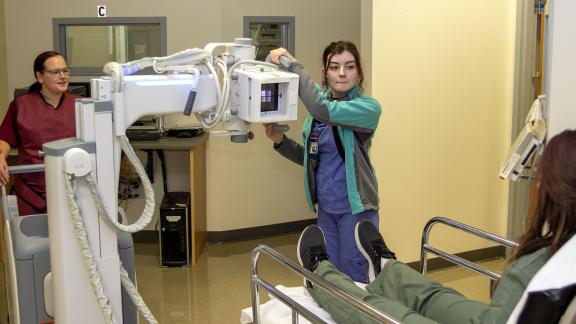
Radiologic Science is a branch of medicine that deals with the creation of detailed images of the internal structures of the human body for the purpose of diagnosing disease, and to a lesser extent, administering therapeutic treatments.
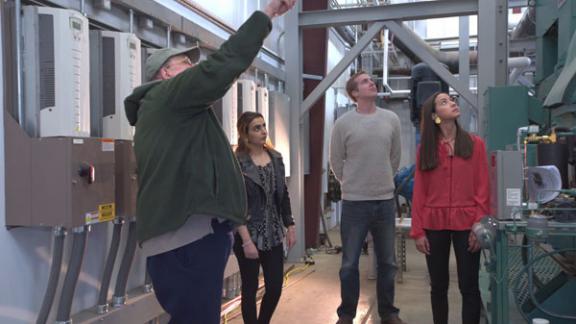
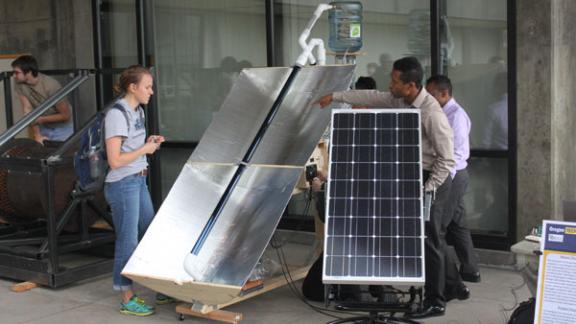
In 2005, Oregon Tech introduced the first Bachelor of Science in Renewable Energy Systems in North America. Students learn how to harness the power of renewable resources such as wind, sunlight, biofuels, geothermal heat, and rivers. The Renewable Energy curriculum prepares graduates for engineering careers in the energy sector in general, and the renewable energy in particular. The Master of Science in Renewable Energy Engineering (MSREE) program is offered at the Portland campus.
Oregon Tech offers a Bachelor of Science in Respiratory Care at the Klamath Falls campus, as well as an online degree completion program for Registered Respiratory Therapists (RRT). Registered respiratory therapists are physician extenders who, under medical direction, administer cardiopulmonary care, evaluate and assess pulmonary patients, and administer medications and diagnostic tests when appropriate.
Software Engineering Technology prepares students to design, develop, integrate, and implement computer software. Graduates of the Software Engineering Technology (SET) Program will have a thorough understanding of the key principles and practices of applied software engineering, including possessing the ability to identify, analyze, test and solve non-trivial software engineering technical problems.
The Vascular Technology program at Oregon Tech trains students to use ultrasound and other tests to discover and diagnose diseases of the vascular system — the heart and the blood vessels by which blood is pumped and circulated through the body. Oregon Tech introduced the nation’s first Vascular Technology degree in 1992.