





IDEAfest 2026
IDEAfest 2026
Student Registration Form
Portland-Metro Student Event | Tuesday, June 2, 2026, 4:00 - 6:30pm |
Klamath Falls Student Event | Friday, June 5, 2026, 9:00 am - 12:00 pm |
Faculty & Staff Event | Friday, June 5, 2026
|
Contact For IDEAfest Student Participants
Create Your IDEAfest Poster!
Past Projects
Portland-Metro Campus: Rooms 120, 122, 124
Get directions to our event! Parking is free in any space labeled "OT".
Tuesday, June 2 | 4:00-6:30 PM | Student IDEAfest | Portland-Metro
| Project Name | Project Information | Project Primary Contact |
|---|---|---|
| Process Sentinel | Process Sentinel is a lightweight endpoint detection and response (EDR) system designed to monitor and respond to suspicious process activity on Windows systems in real time. Built in Python, it tracks active processes and applies a rule-based engine to identify potentially malicious behavior, such as unusual execution patterns or unauthorized actions. When suspicious activity is detected, the system can automatically respond by generating alerts and halting the process. All events are logged to an SQLite database, enabling analysis, auditing, and iterative improvement of detection rules. The design emphasizes simplicity, modularity, and low system overhead. There is also a web front-end that allows simple viewing of the system logs. Development progresses through structured phases, including process monitoring, rule implementation, response actions, and logging, with an optional Flask-based interface for visualization. Tools such as Sysmon enhance visibility into system activity. | Mujtaba Ali |
| My Sky Path | A web application that allows users to search commercial flights by flight number. Includes details such as arrival, departure, aircraft type, and airline. Users can add these flights to their own bookmarked flights tab. All bookmarked flights are then saved and displayed on a map with color coded flight paths. Information about the specific flight can be accessed by clicking the specific line of the flight path. This is great for frequent flyers and those who want to visualize and keep track of their trip(s). | Megan Byrne |
| ARange - A Virtual Furniture Planner | ARange is a mixed-reality app that lets you rearrange your living space - all without moving any heavy furniture! Map your space, and move your virtual furniture around. Save different layouts to compare and see which arrangement you like best! | Amanda Crittenden |
| Impound Rumble | A demo of Impound Rumble, an online multiplayer platformer fighting game that takes place in the Pacific Northwest-inspired fictional city of Portcouver. Go head-to-head in a thrilling competitive experience with both familiar, and new-or-improved mechanics to the genre. This demo features local multiplayer with up to 4 players, multiple characters to choose from, a limited selection of stages to fight on, and online multiplayer with cutting edge server-based rollback netcode to meet industry standards and provide a smooth, seamless online experience. The full release will feature a co-op story mode, multiple game modes, and several more uniquely inspired, innovative character designs. | Aaron Hill |
| Interactive TTRPG Table | This project consists of designing and building an interactive 'smart' gaming table with modular terrain components and LED indicators to be used in Table Top Role- Playing Games (TTRPG) such as Dungeons and Dragons which was the inspiration for this project. The table will be constructed out of laser cut wood and measure around 24inch wide x 24inch long. 3D-printed hexagonal tiles will form the terrain base of the game table, featuring a pogo connector on each tile to connect to adjacent tiles and distribute power, thereby reducing the need for loose wiring. Each hex tile will have an ESP8266, which will connect to the main master board (Raspberry Pi) via Wi-Fi. On the terrain hexes, LEDs can be configured to light up and enhance the terrain. On specific terrain styles, there will also be a motor embedded in the base that will allow a special, telescopicing surface to rise or lower In case the Game Master (GM) or Dungeon Master (DM) wishes so. A DM screen made out of an 10' HDMI touchscreen connected to the Raspberry Pi would allow manual control over the ESP8266 elements of the table such as: an overview of active tiles by number, LED color adjustment, and servo PWM for terrain height. | Jonah Patawaran |
| NeonSpaceLasers | NeonSpaceLasers is a fast-paced space shooter that throws players into a vibrant, neon-drenched 1980s universe. Armed with nothing but a ship, a pulse-pounding soundtrack, and pure instinct, you'll face waves of enemies determined to destroy it all. Every second counts in this high-intensity fight for survival. Push your skills to the limit—do you have what it takes? | Anibal Lopez Bonilla |
| QuantumLeap | QuantumLeap is an embedded systems project that uses the VisionFive 2, a RISC-V single-board computer, to create an interactive LED visualization system. Developed entirely in Rust, the project combines real-time hardware control and human-computer interaction in a single platform. The system drives a WS2812 LED strip to display random data from the Linux kernel, visualize CPU and memory usage, and produce animated effects such as rainbow cycling and matrix-style patterns. It also features interactive applications, including a reaction-time game and a text adventure with LED-based health feedback. QuantumLeap demonstrates the potential of Rust for embedded Linux development, showing how memory-safe systems programming can deliver both reliability and performance in hardware-focused applications. | Griffith Brandt |
| jobseekr | A full stack job discovery platform that enables users to find recent job postings tailored to their experience level and preferences. Users are able to sign up and authenticate via Google OAuth 2.0, build their profile automatically by uploading their resume, modify any preferences or skills, and be email notified of jobs on a daily basis. | Andrei Florea |
| Pre-School Education Games | A pre school learning app that has several learning mini-games that can be difficulty controlled by child or parent to match the child's learning level and speed. | Andrew Fournier |
| Piano Software | A basic piano software with some learning documents. | Nathan Turcas |
| JHPs | In disc golf, finding lost discs is a persistent challenge that disrupts gameplay. While disc trackers already exist, they are bare-bones solutions that offer little beyond an audible alarm controlled through a simple smartphone application. The JHPs offers the same solution, with better technology. In addition to the application-controlled alarm, a JHPs unit also has rechargeable capabilities, signal strength indicators, flight analytics via on-board IMU, LED indicators, failsafes, aerodynamic design, and waterproofing, to name a few additional capabilities over our competition. The core objective was to drastically reduce the device's physical footprint and component complexity compared to its Mark I predecessor. To achieve this, the system integrates a custom-designed PCB housed within a lightweight, low-form-factor enclosure that mounts centrally on the disc. Early iterations used a passive buzzer circuit that required auxiliary components, including a Schottky diode, a bipolar junction transistor (BJT), and a base resistor controlled via a 5V pin. The finalized Mark II architecture optimizes this by transitioning to an active buzzer. This switch eliminates the need for the BJT, base resistor, and diode, directly contributing to the streamlined profile. The hardware pairs seamlessly with a custom Android application, allowing users to reliably trigger the tracker's audible alert on demand from their smartphone, and to use signal strength indicators when they are too far away to hear the active buzzer. Visual and structural comparisons between the prototypes demonstrate a massive reduction in surface area, bulk, and overall board complexity, resulting in a total weight reduction of over 70%. Furthermore, field testing established a highly reliable maximum connection range of 176 feet under line-of-sight (LOS) conditions. The Mark II tracker successfully resolves the physical limitations of earlier models, providing a minimal form factor while providing the same benefits of Mark I. | Jason French |
| Fish PNW | A central Hub/Website for Pacific Northwest Anglers to find things such as tides, regulations, hydrologic data, salmon/steelhead historic run data, Dam counts and more. | Christopher Burdine |
| Lotus Spirit Studio Website | The Lotus Spirit Studio Website is a project I created to build a functional and visually cohesive website for a yoga and wellness studio. The goal is to give users an easy way to view class schedules, book sessions, and explore a video library of on-demand content. The site is built using HTML, CSS, JavaScript, and Bootstrap, with a focus on clean design and simple navigation. Some of the main features include a weekly class schedule, a booking system, login functionality, and a video library page. I also focused on making the design match the brand's calm and welcoming feel. This project shows how web development can be used to support small businesses by improving organization and user experience, with plans to add features like payments and automated emails in the future. | Grace Eriksen |
| Write Out | Write Out is an isometric/top-down single-player roguelike video game. The game centers around randomization and repetition, with players encountering randomized levels, enemies, and collectable upgrades each time they play. | Kaeden Grubb |
| Better Fit | Better fit is an iOS based personal training app focused on the trainer-client relationship. Trainers can create fitness plans for their clients which include meal and workout plans. Clients can track their progress through weight, workouts, and meals. Trainers and clients have access to a calendar to setup meetings with each other and the app will send push notification reminders of meetings. | Derek Preston |
| Community Board | Community Board is a social media app built to help people connect with others in their local area in practical, everyday ways. Instead of focusing on large or distant networks, it centers on neighborhood-level interaction, making it easier to meet people nearby and get involved in your community. Users can create profiles that highlight their skills, interests, and availability. This lets people share what they are good at, such as tutoring, cooking, or home repairs, and also what they would like help with or want to learn. The goal is to make it simple for people to connect based on what they can offer and what they need. The app also includes features for creating and discovering local events, such as meetups, workshops, or volunteer opportunities. These events help bring people together in person and encourage ongoing community involvement. A central idea behind Community Board is skill swapping and non-monetary work. Instead of paying for services, users can exchange skills or help each other out in informal ways. This makes it easier for people to participate, builds trust, and encourages a more collaborative environment. Overall, Community Board is meant to support stronger local connections by giving people a simple way to share, collaborate, and take part in their community. | Jonah Lee |
| Rise of Regiments | Rise of Regiments is a military-style turn-based strategy game designed to challenge your tactical mindset. You'll command a diverse roster of troops across dynamically generated terrain on a chess-like battlefield, where every decision can mean the difference between victory and defeat. Challenge your friends through online multiplayer, or go head-to-head against our deep-learning neural network AI. With an intuitive in-game map editor, procedural map generation, and virtually endless replayability, Rise of Regiments delivers a fresh and formidable combat experience every time you play. | Julian Urena |
| FairNES | FairNES is an emulator for the Nintendo Entertainment System (NES) built in C. It can be used to play NES games on modern hardware or anything that can run C. Uses the iNES 1.0 and 2.0 header format for NES game ROMS (Files created from original NES cartridges). It is compiled into a headless library to be used with any renderer and input/output system. As an emulator, FairNES simulates an original NES console so that even as original devices become more and more rare, the classic games that laid the foundation for the gaming industry can still be enjoyed for years to come. | Wyatt Johnson |
| Open Textbook Exchange | The Open Textbook Exchange (OTE) project proposes the design and implementation of a peer-to-peer web platform that enables Oregon Tech students to buy, sell, rent, and trade textbooks directly with one another. The system aims to reduce the cost burden of academic materials by connecting students who already own textbooks with those who need them. OTE will allow users to create profiles and post textbook listings that include details such as title, author, edition, condition, and desired exchange type. Listings can be filtered by course or program to help students quickly locate the materials they need. Each user can provide preferred contact information, enabling interested parties to reach out directly outside the platform. The project will utilize a client-server architecture. The front end interface will be designed with standard web technologies for accessibility across all modern browsers and mobile devices, while the back end will handle data management, encryption, and API communication. Future scalability will allow expansion beyond Oregon Tech to other academic institutions. By offering an affordable solution to the recurring problem of expensive textbooks, OTE will provide a simple student-focused platform that encourages affordability and collaboration across Oregon Tech's community. | Beau Coffie |
| Flowmodel | Prototype meshing software that generates a filled pointcloud from a given poor quality mesh in order to facilitate easy Delauney Triangulation | Ethan Szlovak |
| E.S.R.A | E.S.R.A (Electromyographic Sensing Robotic Arm) is a micro controlled robotic forearm that receives data from sensors placed on the skin to detect the electric current that goes along with muscle contractions. This can be interpreted to control the fingers on the hand of the arm. Wrapped in a 3D printed case and utilizing an array of servos, the goal for the project is to step towards low cost prosthetics while maintaining comfort and usability for users. | Ezra Neese |
| Mid Drive E bike Conversion Kit | A conversion kit designed to transform a mountain bike into a mid drive, pedal assist Motor powered bike. This kit is controlled by an ESP32 Arduino and a Bluetooth cadence sensor. Designed for low cost and easily removable assembly. | Kyle Isom |
| AnySheet: The Modular TTRPG Character Sheet | AnySheet is a digital character sheet for D&D, Pathfinder, and any other TTRPG system. Character sheets are built out of drag-and-drop modules that you can edit and rearrange however you want. If you have a lot of modules, you can hook them up to a trigger that activates all of them with a single button press. If you don't like the premade modules, you can make your own ones by writing some simple Lua scripts. | Joe Williams |
| Optical Vibration Triangulation System for Scanning Electron Microscope Stability | This project aims to explore a non-contact way to measure and locate vibration using a laser and a photodiode based sensing system. The goal is to build a simple, low cost method for detecting small positional changes in sensitive environments like scanning electron microscopes (SEMs), where tiny vibration can have a catastrophic impact on performance. The system works by shining a laser across a target path and measuring how the light changes at a photodiode when the beam shifts due to vibration within the area of interest. A transimpedance amplifier (TIA) converts the photodiode's current into a voltage signal , making those small movements visible and measurable. The prototype includes a custom analog front end built around a surface mount op amp, a 3D printed optical chamber to block ambient light around the photodiode, and a basic laser mounting setup. The focus was on making something functional and understandable rather than overly complex. This project illustrates how optical sensing can be utilized to monitor vibration without physical contact to system that may be sensitive to external stimulus. Future work would include improving system noise performance, an automatic calibration routine, and testing in SEM manufacturing environments. | Alexandria Parkinson |
| Gutter Runner | Compact, autonomous robotic device designed to travel inside residential gutters and remove leaves with minimal effort, providing a safer and more efficient alternative to traditional manual gutter cleaning. The system is intended to reduce the need for ladders or direct human contact with gutters, lowering the risk of falls and injury. | Rebecca Barnes |
| The Shake Charger | We designed and implemented a hand-shaken energy harvesting charger capable of storing mechanical energy in a battery bank and supplying regulated power to a USB output with the intent to charge a cellular device. The device is a renewable source of energy which can be utilized in off-grid and emergency situations as well as in learning environments. The goal of this project is to lay the groundwork for developing a low-cost system capable of producing power to a mobile device without the need for traditional power sources while providing visibility to the user of the inner workings of the energy generation process. The device demonstrates the integration of energy harvesting, storing, and delivering to a load. Each aspect must be done with a level of safety and precision to ensure that the user can use the device without issues or safety concerns. The project highlights the practical challenges that engineering design requires, such as integrating multiple stages of power together as well as working with unstable power sources and how to regulate them to be useful. The device weighs less than 10 pounds, is one foot long with room for refinement within specifications and can deliver 5V DC output through the USB port to charge a mobile device. Under multiple tests on an Apple AirPods Pro, an average of 1.5% was charged per minute with the Nickel-Metal Hydride batteries directly connected through the USB port. The voltage generated from the AC shaking input is roughly 18 V peak to peak with minimal load, giving an amplitude of 9V, just above the goal of 8V. A current goal is to measure the exact values of charge provided to the onboard battery bank to calculate the efficiency of shaking output. | Jacob Wilson |
| Smart Adaptable Paper Towel Dispenser | This project presents an intelligent paper towel dispenser built on an ESP32 microcontroller that replaces restrictive fixed-length dispensing with an adaptive learning algorithm adjusting dispense length based on real usage patterns. Integrated sensors monitor user presence and roll levels, while an e-ink display gently reminds users how much paper is being used to leverage behavioral psychology and encourage voluntary waste reduction. Automated network alerts eliminate reactive maintenance cycles. Together, these innovations shift the paradigm from restriction to engagement, addressing the thousands of tons of daily paper towel waste that rigid commercial solutions have failed to meaningfully reduce. | Merat Ghahramanian |
| Clairity | Clairity is an innovative smart IoT assistant device that acts as a personal sleep health and wellness analyser. Combining multiple environmental and human aid areas of focus, along with modern technology stacks, Clairity aims to enhance users’ sleep cycles and overall wellness through cutting-edge research and intuitive user experiences, helping you feel better, one sleep at a time. Claire and Clairity's goal is to use data collected across a meaningful period from your room in combination with your health data recorded by your mobile device or smart watch to identify potential negative factors that are contributing to a less than adequate sleep cycle as well as to identify positive factors or changes that led to an increase in healthy sleep. When Clairity's data and Claire's analysis come together to identify a potential improvement, Claire will develop a sleep improvement plan using scholarly data and proven remedies to suggest the next best steps for enhancing overall sleep health. If Claire finds that the proposed remedies resulted in an improvement in sleep health, she'll continue to cross-analyse Clairity's long-term data to maintain the equilibrium. | Zoltan Szabatin |
| CellarMap | CellarMap is a barrel room management application designed to digitally map, track, and manage wine barrels within a winery environment. The system provides an interactive grid-based interface that mirrors the physical layout of a barrel room, allowing users to view rows, stacks, and individual barrel positions in real time. Each barrel can store detailed metadata, including barrel number, lot information, tank origin, notes, and blend associations. CellarMap includes an offline-first architecture using a local SQLite database, ensuring functionality without network connectivity. Changes are tracked through a sync queue and can be synchronized with a remote backend when available. Additionally, an activity logging system records key actions (e.g., create, edit, move, and tag operations), providing traceability and operational insight. As a whole, CellarMap aims to improve efficiency, accuracy, and visibility in barrel room management by replacing manual tracking methods with a structured, interactive digital solution. | Jaime Aguirre |
| CanopyViewer: Maintenance Management System | CanopyViewer is a full-stack application designed to track, organize and coordinate asset maintenance and work orders. The application utilizes a database and server and is accessed through a web browser, so it can be hosted on-premises or on a cloud server. Work orders link to assets, can recur at scheduled intervals, and user management allows creation of logins with different user permissions. | Tyler Tenny |
| TripTinker | TripTinker is a full-stack web application developed to support collaborative travel planning through a shared, role-based system. The platform enables users to create and manage itineraries while facilitating controlled access for collaborators with varying permission levels. The project integrates a React and TypeScript frontend with a RESTful backend API to handle data management and user interactions. Additional functionality includes the use of Google Maps APIs to support attraction discovery and organization within an interactive interface. | Ted Mastrangelo |
| Intelligent Robot Cleaning System | An autonomous robot equipped with AI-powered YOLO vision is designed to detect trash and various objects within its environment, enabling it to identify items that require removal. The system integrates a 4DOF mechanical arm capable of grasping, lifting, and disposing of detected debris efficiently. This project is intended to supplement existing vacuum-based robotic cleaners, which typically struggle with larger or irregularly shaped objects. By addressing these limitations, the robot enhances overall cleaning automation by reducing the need for human intervention when dealing with items such as cans, bags, bottles, and other bulky waste materials. | Abdullah Havaldar |
| Cryoflux - Industrial Computer Cooling System | Industrial computing systems generate significant heat under high workload. Inadequate thermal management can lead to performance degradation, instability, or hardware damage. Current testing approaches are labor intensive, difficult to replicate, and do not provide sufficient test data. This project addresses the need for a reliable, automated, and repeatable method of validating computer thermal performance under extreme temperature conditions. The CryoFlux system is designed for technicians performing environmental testing and engineers who require accurate and consistent data to ensure product reliability. This system is a remote-controlled, dual-loop liquid cooling system (LCS) for thermal validation of industrial embedded computers in environmental chamber testing. The system uses two independent cooling loops, each controlled by an industrial PID controller, to regulate temperature with high precision. A Raspberry Pi-based control computer provides monitoring, data logging, and remote management through a web interface. The system integrates an array of temperature and flow sensors to capture real-time thermal and fluid performance data. | Chris Hardwick |
| Shuffle Tactics | A single player Tactical RPG inspired by popular roguelikes with a card-based system in its core gameplay as a twist. | Derek Slavkovsky |
| NaviVest | NaviVest is an affordable, body-worn navigation aid that gives blind and low-vision users a real-time "mental map" of their surroundings through lightweight depth sensing, spatialized haptic feedback, and contextual audio cues. The vest integrates a 4'm solid-state LiDAR (Synexens CS20), three short-range VL53L5CX ToF sensors for peripheral coverage, an on-board Orange-Pi 5 single-board computer running ROS-2 for sensor fusion, GPS for outdoor localization, and bone-conduction headphones for voice guidance. Haptic motors embedded in eight vest zones vibrate in proportion to obstacle proximity, while a headphone voice narrates turn-by-turn directions derived from OpenStreetMap. Key innovations include: (1) a 3-layer hierarchical control loop that guarantees < 75-ms perception-to-feedback latency; (2) a modular power system combining a 5,000-mAh Li-ion pack with smart BMS and hot-swap capability; and (3) an open, ROS'based software stack that allows future researchers to plug‑in alternative sensors or feedback modalities. The fully Ahmed 4 assembled proof-of-concept weighs < 1.1'kg, operates for 10'h continuous use, and costs US $435 in parts, well below competing commercial aids (> US $2,000). The project addresses the World Health Organization's estimate of 253 million people worldwide with visual impairments, 80% of whom live in low-income regions with limited access to high-cost assistive tech. Primary customers are blind pedestrians, O&M (Orientation & Mobility) trainers, and rehabilitation clinics; secondary markets include industrial AR/VR and first‑responder way‑finding. | Musa Ahmed |
| Urban Heat Sentinel | Urban Heat Sentinel is a data pipeline for detecting Urban Heat Islands (UHIs) using Landsat-8 satellite thermal imagery. The system identifies thermal hotspots in cities, intersects them with building footprints, and recommends where to plant trees or install green roofs for maximum cooling impact. | Cait Brigham |
| ECM Rifled Barrel | This is a 5" long AR9 barrel produced with both traditional (Manual Lathe) and non-traditional (Electro-Chemical Machining, ECM) subtractive machining. The forms and jigs used to facilitate the ECM process were all made with an additive manufacturing process. | Chris Corbett |
| Solar Thermogen System | This project presents the design and implementation of a small-scale concentrated solar thermal energy generator that converts sunlight into electricity using thermoelectric generators (TEGs). Unlike traditional photovoltaic systems, which primarily utilize visible light, this system captures and converts thermal energy from concentrated sunlight. A linear Fresnel lens focuses solar radiation onto a black-coated aluminum receiver plate, creating a high-temperature region on the hot side of a TEG array. A passive cooling system using water-fed wicking strips maintains a lower temperature on the cold side, producing a temperature difference that drives electrical generation through the Seebeck effect. The system integrates optical concentration, thermal management, and power electronics into a single experimental platform. This project demonstrates the feasibility of converting concentrated solar thermal energy into electrical power and highlights the potential for utilizing thermal energy that is often unused in conventional solar systems. | Andre Fraslin |
| Hybrid Electric Pub Bike | This project presents the redesign and integration of a hybrid electric pub bike drivetrain with solar charging capability. The existing system, which used a damaged 60 V lead-acid battery pack, was replaced with a lithium iron phosphate (LiFePO4) battery system to improve reliability, safety, and energy capacity. The electrical system was rebuilt to include structured power distribution, auxiliary low-voltage support, and plug-in charging compatibility. A rooftop solar array was integrated to provide supplemental energy generation and extend operating range. The drivetrain was reconfigured so that pedal input contributes directly to battery charging while the electric motor powers one side of the vehicle, improving overall efficiency and functionality. Additional upgrades focused on improving safety and overall system reliability. This project demonstrates a practical approach to combining human power, solar energy, and electric propulsion into a single integrated system for commercial and recreational applications such as guided pub bike excursions. | Adam Briggs |
| Smart Irrigation System | Watering plants can be a time consuming and surprisingly intensive process since each plant has its own water amount and frequency that it prefers, with varying weather conditions also affecting how much water a plant needs each week. The smart irrigation system is designed to bring the ease of management that large scale agricultural systems use to the home by allowing per-plant water timings based on collected sensor data. The system is based around the ESP32 microcontroller that automatically waters plants based on collected real-time soil moisture data and will communicate through remote connection to an IoT capable device, allowing the user to see sensor data and select from a database of plant requirements or create custom requirements. | Brian Liu |
| Desalination Unit | Water scarcity is an increasing concern in arid and coastal regions, driving the need for efficient and scalable desalination technologies. This project presents the design and analysis of a reverse osmosis desalination unit, capable of removing dissolved salts and impurities from saline water through high-pressure membrane separation. Performance metrics, such as salt rejection efficiency, flow rate, pressure requirements, and energy consumption, are analyzed using system modeling. The system is capable of achieving approximately 99.5% salt rejection while producing up to 270 gallons of potable water per day. Results indicate that the design is effective and practical for small-scale implementation, demonstrating the potential of reverse osmosis as a solution for freshwater production. | Ron Vidal |
| Solar Sweeper | I developed an automated solar panel cleaning system designed to keep panels clean without the need for manual work. The system uses a rotating brush mounted on a moving rail to remove dust, dirt, and debris from the surface of the panel. It runs on a 12 V power source and is controlled by a microcontroller, allowing it to operate automatically and consistently. This project focuses on a real problem that affects solar energy systems. When dust and debris build up on panels, their efficiency can drop by up to 30%, especially in dry or dusty environments. Cleaning panels by hand can be time-consuming, expensive, and sometimes unsafe. My system provides a simple and affordable solution that helps maintain energy output while reducing effort and maintenance. | Afnan Alqwirey |
| Portable Low-Power USB-C Charger | The Portable Low-Power USB-C Charger is a battery-powered charging prototype designed for small USB-C devices such as rechargeable wireless mice and other low-current electronics. The project explores safe control of battery charging, boost conversion, USB-C output switching, fault detection, and embedded firmware control on a compact hardware platform. The prototype uses an onboard lithium battery charger, a 5 V boost converter, controlled USB-C output switches, battery-voltage monitoring, and firmware state logic to manage charging and output operation. Testing showed that the device can reliably support low-power loads, with practical operation focused around wireless mouse charging rather than phone-level power delivery. Firmware testing also validated key safety behavior, including battery-low output blocking, output enable control, fault shutdown, recovery handling, and live diagnostic logging. This project demonstrates the design tradeoffs involved in building a portable USB-C charger, including power-stage limits, battery management, embedded firmware design, and the importance of matching hardware capability to the intended load. | Bladimir Carela-Munoz |
| Smart Indoor Self Watering System | We developed a self-contained automated indoor plant-watering system designed to supply up to eight plants with minimal user intervention. The system uses a 12-gallon reservoir, four pump zones, and eight independently controlled irrigation lines, each regulated by a solenoid valve. A microcontroller-based control algorithm monitors soil moisture conditions, checks plant status twice per day, and initiates watering when user-defined dryness thresholds are met. Watering behavior can be tailored to each plant by adjusting parameters such as soil dryness thresholds, pot diameter, and volumetric discharge limits. This design addresses the need for more consistent indoor plant care for users with busy or irregular schedules. By reducing the labor and inconsistency of manual watering, the system offers a more adaptable alternative to timer-based watering systems. Each irrigation line delivers approximately 0.3-0.4 L/min of water and can service plants located up to 1.5 m vertically and 6 m horizontally from the reservoir. The system also monitors battery state, reservoir level, and pump activity through onboard sensing to support safe and reliable operation. The unit is powered by a rechargeable 12 V, 15 Ah lithium-ion NMC battery for portable operation without continuous reliance on external power. Testing and iterative design refinements have demonstrated the reliable operation of distribution hardware, core control logic, and moisture-based control at the individual-channel level. The system is intended to operate for up to three weeks without user intervention and includes a touchscreen dashboard and mobile app for local and remote monitoring. | Thomas Austin |
| Chordial: Hear It, Play It, Perfect It | Have you ever heard a song you loved, a melody that planted itself firmly in your head, only to walk away without knowing its name or how to play it? For musicians, that moment of inspiration can quickly become a source of frustration. Chordial is a mobile app concept designed to close that gap. Chordial uses audio recognition technology to listen to a song in real time and instantly generate a ukulele chord chart, giving players everything they need to pick up their instrument and start strumming. Beyond chord identification, the app provides a backing track so users can practice and refine their performance at their own pace. The current prototype targets ukulele players, but the vision extends further. A planned feature update will allow users to select from a range of instruments and receive a chord chart tailored to their preferred instrument, making Chordial a versatile tool for musicians of all kinds. | Aprajita Shukla |
| EEG Headband for Love Brainwave Display | This project uses the Muse2 EEG Headband to display brainwave bands live. | Cari Blaker |
| Founding the PM Cybersecurity Club | Students wanted a space for practicing real cybersecurity and networking concepts without the limitations of a virtual network. Additionally, students needed access to complex data structures that would normally be unavailable for students to practice. This has led us to establishing the PM Cybersecurity club with a focus on building projects and perfecting our craft. We've began this journey starting with two projects, Quantum Security and a Capture the Flag. | Joshua Brady |
Friday, June 5 | 9:00am-12:00pm | Student IDEAfest | Klamath Falls
| Project | Project Information | Primary Student Contact |
|---|---|---|
| VECTOR | VECTOR (Volumetric Environmental Compaction Transportation Operational Robot) is a portable trash compactor designed to help with roadside cleanup services. This robot is aimed at helping decrease the amount of space that roadside trash takes up during transportation. Our robot comprises of a trash compactor on a tread based movement system. This robot will compact trash to roughly a third of its initial size. | Andrew White |
| Data-Driven Trail Alignment Optimization Using UAS LiDAR and Least-Cost Path Analysis: A Case Study from Running Y Ranch, Oregon​ | This study presents a data-driven approach to reconnecting a partially discontinuous segment of the 3-mile Golf Loop Trail at Running Y Ranch in Klamath Falls, Oregon. The existing trail alignment is interrupted by steep slopes, dense tree cover, and terrain constraints, creating challenges for completing a safe, environmentally responsible trail. The objective of this research is to design an optimal pathway connecting two terminal points of the disconnected segment while minimizing environmental impact, construction complexity, and user safety risks. | Zia Hill Sparks |
| Assessment of Landscape and Vegetation Dynamics using UAV | The removal of the J.C. Boyle Dam in 2024 marked a transformative moment in the ecological restoration of the Klamath River Basin. This study presents a multi-sensor UAV-based assessment of post-dam removal landscape dynamics using high-resolution RGB, multispectral, and LiDAR datasets acquired in July and November 2024. | Jordan Nowell |
| Cat-Tech | Cat-Tech is a lightweight, embedded tracking device designed to help cat owners monitor their pet's location and daily activity. The system combines GPS and Wi-Fi positioning to provide accurate tracking both outdoors and indoors, addressing limitations of traditional GPS-only solutions. An onboard accelerometer collects motion data that is categorized into resting, casual, and active activity. Thus allowing the system to detect unusual patterns over time. Data is transmitted to a real-time web dashboard for visualization and alerts | Alex Fenton |
| AdventuroUS | AdventuroUS is a nonprofit organization funded by donors/partnerships that recruits low income youth based on scholarship qualifications to trade volunteer services throughout the community in exchange for educational opportunities, perfessional development workshops, and memorable experiences, while also contributing to improving the quality of life for those around them. | Miguel Figueroa |
| Mediflow | Mediflow is an intelligent, secure, and user-friendly pill-dispensing device that is designed to improve medication delivery in modern-day homes through precise system automation and user authentication. Mediflow integrates modern security systems such as facial recognition, speech recognition, and a touchscreen GUI into one device. The Mediflow system ensures that medication is accurately dispensed based on the user's given time intervals, reducing the possibility of improper dosage while providing a safe, reliable, and user-friendly solution to managing daily medication usage. | Brady Nicosia |
| Crojo | Crojo is an interactive web based crochet design tool that allows users to create crochet patterns and share them with other crochet enthusiasts. Crojo simplifies the process of designing crochet patterns, and allows users to quickly turn their ideas into something that can be hand crocheted. We also provide a space for users to discover and create public projects. Public projects can be remixed in our editor to cultivate creativity and collaboration between our users. | Devon Hawn |
| Robot Zero-Point Palletization System | This report proposes a zero-point palletization system for use with relocating stationary industrial robotic manipulators in a production environment. In most circumstances, stationary robots must remain installed in their primary work cells even during periods of extended downtime due to the coordinate-based programming that is used to define robot motions and joint positions. Because this coordinate logic is relative to the base of the robot itself rather than a separate reference point within the work cell, moving or otherwise changing the position of the robot inherently renders all programmed points invalid, due to the impracticality of precisely repositioning the robot relative to the original work cell. In this report, a prototype palletized mounting system is presented to create a repeatable fixturing system for an industrial robotic manipulator, allowing for repeated moves and repositions with no loss of precision or coordinate points when the robot is returned to its original work cell. This system enables operators to reposition their robots between work cells equipped with the proposed base modules. Repeatability and precision are enforced by the mounting system, allowing the robot to be returned to its original location and orientation with sufficient accuracy that prior coordinate points may be reused without reprogramming. | Adam Cornie |
| Amphibious Robot | This project is an amphibious robot designed for traversing through land and water to collect and send data to the user. The amphibious robot will be composed of 8 legs (4 on each side) that will be connected by a fin, which will allow it to move in a snake-like pattern, allowing for quick traversal on land or water. Equipped with pH and chlorophyll sensors, a live camera feed, and remote operation through a custom interface, the robot provides an innovative solution for environmental data collection across diverse terrains. Operated remotely via a custom interface, the system offers an innovative solution for multi-terrain navigation. | Nolan Lawson |
| ClearScan | This is an application that allows for X-Ray technicians to upload an X-Ray imagine and have my machine learning algorithm detect potential ailments found in the image to aid the Radiologist in diagnosing. | Matthew Purdue |
| Depths | Depths is a cooperative multiplayer game where you and up to three friends delve into procedurally generated caves, collecting items, going deeper, making sure to meet the quota for every dive in a timely manner. Avoid the monsters that dwell in these caverns if you and your friends hope to make it out alive. After a successful escape from the caverns, use your new found riches to purchase items to make future delves even more profitable. Keep diving further and further into the caves until your luck runs out! | Christian Grende |
| Kerry | Kerry is a following autonomous robot that is designed to follow a person and carry their items. It uses AI computer vision to track and follow a yellow ankle band that is worn by a person. It has a modular shelf system that allows for a wide variety of different storage options. It also uses multiple sensors to detect obstacles and stairs. Our website allows a person to see the status of the robot and includes a manual override mode to remotely control the robot. | Brian Le |
| The Ideal Vending Machine | Our project enhances everyday vending machines by improving convenience, efficiency, and user interaction through AI and user interface. Our system is centered around a Raspberry Pi 5, which performs high-level processing, facial recognition, and user interface management, while ESP32 microcontrollers handle low-level motor control and sensor feedback. Registered users, being TMD2, are identified using a color camera, allowing our system to retrieve personalized profiles containing recommendations and order history through a locally hosted web application displayed on our touchscreen. A guest mode is provided for users who choose not to create a profile, allowing guest users to do virtually everything registered users could do, besides the security of AI facial recognition. Our vending machine will also provide an anti jam function by using ultrasonic sensors to detect whether our product has dropped or not. Due to restrictions, the AI facial recognition will be locked specifically to TMD2. | Dennis Matsuda |
| EchoDraw | EchoDraw is a voice-controlled robot that enables the user to play traditional Tic-Tac-Toe using only their voice through spoken commands. EchoDraw listens for short phrases like ""top left"" or ""middle center"", processes them, and then tells the robotic arm to physically press the squares on a touchscreen to place their move. It combines a Raspberry Pi for the speech recognition and two STM32 microcontrollers for game logic, display output, and servo control. EchoDraw also includes an AI opponent with multiple difficulty levels ranging from easy to impossible, along with visual feedback and score tracking to enhance the user and gameplay experience. By connecting voice input to physical robotic movement, EchoDraw creates a more interactive and engaging way to play a simple game. EchoDraw is designed with accessibility as as core requirement, allowing users to play without needing to touch the screen or use their hands. Overall, EchoDraw demonstrates how embedded systems and robotics can be used to create interesting, intuitive, hands-free technology for education, entertainment and assistive applications. | Kendrick Goff |
| Modular Thingholder | A storage system featuring modular, interchangeable drawers with a digital and remote record of the system's contents. The physical structure is 3D printed and is designed to allow any of the provided drawer sizes to be fully interchangeable with any other. Each drawer is uniquely identified and its location in the drawer system is kept up to date to allow the user to search for a specific item in the system and have the system identify it's physical location with an LED. | Jake Zimmermann |
| BESS (Battery Energy Storage System) Research, Design & Modeling | Partnering alongside members of PacifiCorp, this group project models the process of research, development and simulation of large-scale Battery Energy Storage Systems. Battery Energy Storage Systems are devices that store electrical energy in batteries to be released when a power grid needs to be stabilized, or excess power is needed to be supplied. Battery Energy Storage Systems are able to store energy from a wide array of sources, with renewable sources such as wind, solar and hydroelectric dams as popular connections. 3D Modeling, Small-Scale Hardware Creations, Component Supplier Research and more have been combined to showcase a wide array of concepts visual and mathematical in order to display the complexity and ingenuity of how such large systems operate, as well as how said systems are installed today. | Aaron Weatherly |
| Resisort | Resisort is an automated resistor sorting system designed to reduce human error and improve efficiency when working with mixed sets of axial through-hole resistors, especially in lab and prototyping environments. Engineers and students often encounter challenges when reusing resistors because color bands can fade, appear ambiguous under different lighting conditions, or become mixed after breadboard use. To address this, Resisort uses two complementary identification methods: direct electrical measurement through a voltage divider circuit and computer vision analysis of the resistor's painted color bands. The system is built around an ESP32-S3 microcontroller, which coordinates sensing, measurement, image processing, motion control, and user interaction through a touchscreen interface. After identifying a resistor, the device uses a stepper-driven rotating bin assembly, paired with an absolute magnetic encoder, to accurately position the correct storage bin. Resisort has evolved into a multidisciplinary mechatronics project that combines mechanical design, PCB design, embedded programming, electrical measurement, and image processing. The project also explores the challenge of running computationally demanding vision algorithms under the memory and processing constraints of embedded hardware. | William Mitchell |
| FishLens | Fishlens is an AI-powered fish monitoring project that is made for the Oregon Department of Fish and Wildlife to automate the video review of salmon and trout passing through local Oregon rivers where dams have recently been removed. This past fall, the dams in the Klamath river were removed, allowing Salmon to migrate through Oregon for the first time in a century. Fishlens is the project that is used to count these salmon. The application combines object detection, image classification, timestamp extraction and tracking to identify fish with far less manual effort than frame by frame review that the ODFW biologists were previously required to do. | Aleksen Thayer |
| Machinability K-Factors | One very common industrial pain point of being able to accurately forecast the power, force, and torque draw of these machines. This is typically done with CAD/CAM tools such as MasterCAM, and Vericut. Despite the tremendous progress these tools have made in the last 20 years, there is still a significant gap in their accuracy as compared to real life machining operations. A primary contributor to these errors is the inaccuracy of a material constant that is used in these systems and is known as the Machineability Factor (KFactor). This value typically has units of Hp.min/in3 and is often expressed as a single value in published tables. However, professionals and subject matter experts in the machining world recognize that in fact this is not the case and that for a given workpiece material the Machineability Factor could change based on: Cutter geometries Machine size Operating Parameters Engagement conditions Machining strategy Additionally, there is an awareness that these machinability factors are arrived at from dynamometer data that measure cutting forces. These dynamometers are usually mounted underneath the workpiece material (Figure 1 on Left), and consequently are measuring forces from what is known in the industry as "in front of the cutter". In doing so these forces do not factor in the machine's inherent efficiencies or inefficiencies. These include the resistance posed by the motors, gears, bearings, bushings, lubricants etc. If the primary intent of an accurate forecasting tool is to prevent catastrophic incidents, such as a stall, then the data ought to be collected from "behind the machine", rather than "in front of the cutter". | Dylan Davis |
| MMET Senior Project: Sports Bra | Our group has designed and tested a prototype sports bra to try and improve on frenquent issues with the current market. Our main goal was to use key engineering principles and methods to reduce unbalanced motion, but to still have user comfort. | Kendra Beck |
| Lean Six Sigma Implementation in Service Management | This project involved the implementation of Lean Six Sigma methodologies to improve the service wait times at the local coffee shop, Brevada Brewhouse. Using service management principles to address the performance gap, like the RATER framework and advanced statistical testing and Design of Experiments, the evidence suggested that the various factors of delivering a drive-thru service, including whether someone walked out to take an order, an online order was made, and how many people were working at the counter at one point in time, were entangled and interdependent. In practice, the argument would suggest that $50,000 for a capital expenditure meant to speed up wait times by routing orders wouldn't improve them due to a lack of standardized processes. | Colton Hurst |
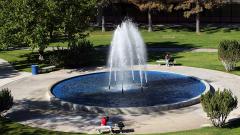
| Reimagining Spaces "The Fountain" - ART 315 | As part of ART 315, "The Fountain" project reimagines the campus fountain area as a vibrant, revitalized space designed to foster leisure, relaxation, and community gathering. | Patrick Bender |
| TGF Beta Effects on Preeclampsia | Transforming growth factor beta (TGF-β) is a cytokine, a small protein important for cell signaling, involved in many cellular processes in the body.1 TGF-β controls multiple cellular responses during embryonic development and if the signaling pathway is disrupted, this disruption can lead to many diseases and conditions, including preeclampsia. Preeclampsia is a pregnancy complication that affects roughly 5-8% of pregnancies in the US, and it can lead to preterm births. However racial disparities are observed as African American women experienced preeclampsia in 6.04% of pregnancies, Hispanic Americans in 2.58%, and Caucasian Americans in 3.75%.2 Current research shows that preeclampsia can develop from gestational hypertension, also known as high blood pressure which ranges anywhere from 140/90 and above during pregnancy.3 Patients with preeclampsia have also been shown to have higher levels of protein in their urine. This could be caused by the TGF-β signaling pathway. The objective of this project is to test the TGF-Beta Expression in the cells to see if the level of TGF Beta is increased when the cells are hypertensive. We have begun making our gels to mimic the uterine fibroblast layer of the uterus, next we hope to get trophoblast cells and treat them with TGF-β and see if they are able to invade into the gels adequately. | Ciena Gregory |
| Remote delivery of reading intervention (Fit Lite') in rural schools | The objective of this study was to evaluate whether Fit Lite' Reading curriculum delivered remotely to at-risk rural elementary students is comparable to in-person delivery of the same curriculum. The Fit Lite' model uses direct instruction and precision teaching and an approach informed by behavior analysis. Learner outcomes are evaluated by Curriculum Based Measurement (CBM) (Sawyer et al., 2020). The Fit Liteâ„¢ model has demonstrated effectiveness as a reading intervention for at-risk learners, however the remote aspect has not previously been evaluated. There is currently a gap in literature regarding remote delivery of reading interventions. Vasquez et al. (2011) discussed a study where an online synchronous reading intervention was implemented with at-risk 4th graders. The results of this study support synchronous online tutoring for increasing reading skills in at-risk students, with comparable outcomes to face-to-face tutoring. Preliminary data in the current study show that the students enjoy and want to continue with remote Fit Lite tutoring and student improvements on tests of early literacy (TEL) show percentile gains between 27-60% across students. Almost all data will be collected by IDEAFest. | Rachel Raines |
| Sol Therapy | Sol Therapy is an innovative mobile wellness and recovery service designed to bring advanced therapeutic technologies directly to communities. By combining cryotherapy and red-light therapy within a fully equipped mobile unit, Sol Therapy offers convenient, non-invasive solutions that support physical recovery, reduce inflammation, alleviate pain, and enhance overall well-being. Unlike traditional clinics, this mobile model eliminates common barriers such as travel time, limited access, and scheduling constraints, making modern wellness services more accessible to a wider population. Serving both urban and rural areas, Sol Therapy is especially impactful in regions where specialized recovery services are limited. The business focuses on delivering flexible, on-site treatments at homes, workplaces, community events, and local facilities, creating a personalized and convenient wellness experience. These therapies not only aid in recovery from physical strain and injury but also promote preventative care and long-term health. With growing demand for holistic and non-invasive wellness solutions, Sol Therapy is positioned to meet the needs of individuals seeking efficient, effective, and accessible recovery options. By integrating innovative technology with a mobile service model, Sol Therapy aims to improve quality of life while redefining how modern wellness services are delivered. | Solei Elletson |
| Blueprint Marketing | What if a small business in Klamath Falls had the same marketing quality as the brands they scroll past every day? Blueprint Marketing was created to make that possible. This capstone project documents the full launch of a student-founded marketing consultancy. Every service package was built on real market research, expert consultation, and a competitive analysis of the Klamath Falls marketing landscape. The result is a business with a website, live portfolio showing client work, and a clear value proposition: professional digital marketing, priced for the businesses that need it most. | Mckinley Casson |
| Soft Robotics; HASEL Artificial Muscle | This project focuses on the development of soft robotic artificial muscles using HASEL (Hydraulically Amplified Self-healing Electrostatic) actuators. These actuators consist of flexible polymer shells filled with a dielectric liquid, where high voltage applied across embedded electrodes causes fluid displacement, resulting in controlled deformation and motion. By coordinating multiple actuators, complex, biomimetic movements can be achieved, enabling applications in soft robotics, assistive devices, and adaptive systems. In addition to actuator design, we are developing an integrated control and monitoring platform consisting of a microcontroller-based hub and a custom graphical user interface (GUI). This system enables real-time control of multiple high-voltage converters and actuators while simultaneously visualizing voltage behavior, system performance, and sensor data. Notably, the actuators themselves function as soft capacitive sensors, enabling the measurement of deformation and interaction forces, with the potential to estimate object properties such as weight during grasping tasks. The combination of actuation, sensing, and centralized control provides a scalable foundation for building intelligent soft robotic systems. Ongoing work includes improving sensing accuracy, developing autonomous control algorithms, and expanding the system toward fully functional robotic platforms capable of adaptive and responsive behavior. | Anesti Audeh |
| From Pit to Pitch: OIT Soccer Field | This project applies empathy-based observation to evaluate how different students and non-students experience the OIT soccer field. By comparing perspectives from athletes to non-athletes, several needs emerged. This includes better seating, adding restrooms, and improving the overall social space. The project proposes a redesign that feels more functional and inviting for the broader campus community. The goal is to transform an undeveloped area on campus into a space that supports recreation and student well-being. | Kenna Berry |
| Miniature Oscilloscope/Signal Generator Prototype | The device is intended to replace large desktop Oscilloscope/Signal generator units for on-the-go and or quick experiments. While not as accurate or as fast as desktop units its portability, programmability, and feature density are its advantages. | Joseph Byers |
| Automagic Freight Agent | Automagic Freight Agent is an automated program for managing operations on a model railroad by assigning pieces of rolling stock to specific industry tracks to "satisfy" the model industry's need for rail transport for both incoming and outgoing goods. The goal of this program is to allow the user to quickly and easily get an assignment of rolling stock to deliver to industries during an operating session, taking into consideration a variety of factors the user can select for to enhance realism in car assignments. | Miles Hartmann |
| Dec Vac | A new and revolutionary tool in patio deck maintenance, the Dec Vac! This patented product solves a common problem with the decks; pesky rot causing debris, such as leaves, getting caught between deck boards and creating premature rot. The Dec Vac Attaches to any shop vaccum cleaner and rides the gap between deck boards. Utilizing a patented blade technology, it scoops and guides debris upward sucks it away. No more dirty, mildewed, and rotten decks! | Toby Ruston |
| reimagining spaces | I am looking at how you may redgsign over looked spaces on campus. Specificly the quad between Seman, Owens, Cornett, and Purvine. this is for ART 315: Design Thinking. | Luke Rodenhauser |
| Formula SAE | Formula SAE is an intense international competition to design, build, and race a small scale formula style open wheeled race car. The North American competition is hosted in Brooklyn Michigan and is attended by 120 different collegiate teams from across the US, Canada, Mexico, and more. Design rules and judging are strict and rigorous requiring strong engineering principles, methods, and skills in order to perform well and score high in all events. Along with the design aspect of the competition Formula SAE is also a business competition. Teams are asked to "sell" their car to a prospective buyer who is deciding between each car brought to competition. We look at the costs of each aspect of the car, from the materials used to the manufacturing processes needed to optimize our systems. Throughout this competition Oregon Tech students grow immensely in our skills, teamwork and abilities as we work hard and put in thousands of hours into making a product that emulates Oregon Tech's commitment to excellence in engineering. | Zach Herring |
| Autonomous Roaming Interactive Animatronic | The Autonomous Roaming Interactive Animatronic, also known as A.R.I.A, is an autonomously roaming animatronic designed for themed environments to give guests an opportunity to interact with characters that cannot be portrayed by a human actor. It is designed to navigate around crowds and environments safely, identify and interact with guests, and provide unique photo opportunities. It will pause in front of guests and interact using audio, as well as remain stopped in order to allow for the guests to take selfies with the animatronic. | Ozzie Janes |
| Serotonin Electrochemical Sensor | Serotonin syndrome is a life-threatening and underreported condition where poisonous amounts of serotonin are present in your body and there are no known diagnostic methods applicable. Developing a Serotonin Electrochemical Sensor would introduce a definitive test for serotonin syndrome. Made from affordable screen-printed electrodes using filter paper and carbon paste, a circuit composed of different components would function to measure the levels of serotonin present in the blood. When serotonin levels exceed a threshold, an LED light illuminates, giving the patient a formal diagnosis of serotonin syndrome. | Dulce Hernandez |
| The Luma Mirror | Dental mirror fogging is one of the most persistent and overlooked problems in clinical dentistry. Every time a dental mirror enters a patient's mouth, the temperature difference between the cool mirror surface and the warm, humid oral environment causes immediate condensation. Clinicians are forced to stop mid-procedure and repeatedly wipe the mirror, disrupting their workflow dozens of times per appointment, every appointment, all day long. No permanent solution currently exists. Luma Dental Technology is developing the Luma Mirror, a smart heated oral mirror that eliminates fogging entirely. By maintaining the mirror surface at body temperature throughout the entire procedure, condensation never forms and clinicians can work without interruption from the moment the mirror enters the mouth to the moment it leaves. The Luma Mirror features a detachable mirror head that can be fully sterilized between patients, keeping it compliant with clinical standards while protecting the device's electronics in the handle. Born at Oregon Tech's Dental Hygiene Clinic in Klamath Falls and developed by a team of engineering, business, and dental hygiene students, the Luma Mirror addresses a problem that every dental professional faces every single day. Luma Dental Technology is committed to building the next generation of dental tools right here in southern Oregon. | Diego Garcia |
| ART315 - Reimagining campus spaces using Design Thinking | My project involves redesigning a space on our campus, in particular the grass field that sits between Cornett, Purvine, Owens, and Semon Hall. In our class, we have been taught the Design Thinking process, and using such a method we have all chosen a space on campus that we believe is underutilized. We conducted user testing, and have been prototyping different factors that can be implemented to improve these spaces on our campus, to ensure that our campus feels welcoming and engages with the students. | Tristan Clark |
| Windermere real estate marketing plan BUS 473 | A comprehensive marketing plan for Windemere Real Estate. The project is a part of BUS 473: Marketing Plan Development. | Luke Rodenhauser |
| AddiCart | AddiCart is a smart shopping cart designed to make grocery shopping faster, easier, and more accurate by combining multiple technologies into one seamless system. The system identifies items through a multi-input system of weight sensors, a camera, and optional barcode scanning, so verification happens automatically as products are placed inside. All data is handled by an onboard microcontroller, which processes it and updates a user-friendly display showing the running list of items and the total cost, minimizing errors before shoppers reach checkout. If the sensors can identify an item on their own, nothing extra is required from the shopper. If not, a barcode scanner is available as a reliable backup if the system needs a second confirmation. This project provides a shopping experience with reduced friction and faster checkouts, and gives shoppers a level of transparency that keeps them informed and in control of their active purchases. | Clerisse Dacumos |
| BUS473 - SIRG Marketing Plan | The SIRG (Student Innovation and Research Garage), is a student-led program that has been developed recently in order to provide Oregon Tech with an Innovation Hub that can provide assistance to aspiring entrepreneurs who are students on campus. In our Marketing Plan Development class, we were provided with an opportunity to conduct a full marketing plan for our program, and analyze how the program can grow in potential to ensure the program grows and gains users. | Tristan Clark |
| Baseball Biomechanics | A startup project, looking at biomechanics of a baseball throw. We are beginning research and set-up of a project, utilizing the DPT programs motion capture system to obtain biomechanics data and analyze movement with the use of Optimal Theory. | Brian McClelland |
| Molecular Weight Dependent Chitosan–Glutaraldehyde Hydrogels Functionalized with Curcumin for In Vitro Cancer Cell Growth Inhibition | This study develops and evaluates a biodegradable hydrogel system for localized cancer growth inhibition in vitro. Hydrogels were synthesized using low, medium, and high molecular weight chitosan crosslinked with glutaraldehyde to generate tunable network structures with differing stability and degradation characteristics. Curcumin will be covalently grafted onto the chitosan backbone by free radical addition to introduce antioxidant and anti proliferative functionality while enabling sustained release from the hydrogel matrix by acid-base degradation. The resulting formulations will be characterized in cell culture using three human cancer cell lines with distinct growth and excision relevance: two invasive lines typically requiring large surgical margins for complete removal and one more localized line with comparatively limited margin requirements. Hydrogel exposure will be conducted under in vitro conditions to assess both direct contact effects and diffusible bioactive release. Cell proliferation assays will be used to quantify growth inhibition across hydrogel formulations and cancer models. In parallel, hydrogel stability and degradation behavior will be monitored to evaluate the relationship between polymer molecular weight, crosslink density, and sustained dye release. The objective of this work is to determine whether molecular weight dependent chitosan hydrogels functionalized with curcumin can produce measurable inhibition of cancer cell proliferation in vitro. The study focuses on establishing a tunable biomaterial platform capable of sustained degradation and localized bioactive delivery, with the broader goal of informing future strategies for post excision adjuvant applications aimed at reducing residual cancer cell viability in high risk cellular environments. | Terren Maplethorpe |
| (Art 315) Reimagining The Purvine Lawn | As part of ART 315: Design Thinking, I am interested in reimagining the main lawn located between Cornett, Purvine, and Semon Halls. In its current state, this space feels underutilized and lacks features that encourage students and visitors to gather, relax, or engage with their surroundings. While it serves as a visual break from the surrounding buildings and concrete pathways, it does not fully realize its potential as a functional and inviting campus hub. My goal is to enhance the space by incorporating thoughtful design elements- such as seating, landscaping, and subtle interactive featuresâ€- that make it more welcoming and usable, while still preserving the openness that gives the area its character. | Aiden Kimberling |
| Effects of collagen gel porosity on stem cell-like properties of cancer cells | Cancer stem cells (CSCs) are a subpopulation of cancer cells that exhibit stem cell-like properties such as self-renewal, differentiation, tumorigenicity, and increased resistance to chemotherapeutics. These properties, in association with high expression of cell surface markers (CD44, CD133, CD24), contribute to CSCs' significant role in cancer recurrence. Collagen, a protein with a triple helix structure, may influence the expression of these properties. It is the most abundant protein in the human body and is a component of the extracellular matrix (ECM). CSCs adhere to collagen in the ECM to promote cellular functions via integrins. Integrins are transmembrane proteins that connect the inside of a cell to the outside. The pore size within a collagen gel can affect a cell's ability to adhere. We aim to develop collagen gels that mimic an in vivo environment. By modulating the 3D scaffolding of these gels, we can observe the effects that pore size has on stem-like properties in cancer cells. In this study, two different concentrations of collagen gels will be used to investigate the relationship between collagen and CSCs. Pancreatic cancer cells are embedded within these collagen gels and incubated for 48 hours. To assess any changes in stem-like properties, cells will be analyzed using immunofluorescent (IF) microscopy and MTT assays to quantify the presence of CSCs. To date, we have successfully fabricated collagen gels, embedded pancreatic cancer cells within the gels, and initiated IF staining. These results will better our understanding of the role that collagen plays in CSCs and will help set the foundation for continuous research to reduce the rate of recurrence in cancer patients | Isaias Pena-Pena |
| BUS 473 | Marketing Plan Development | Delanie Stiffler |
| ART 315 - Design Thinking Reimagined hike to the O | Using the design thinking framework to redesign the hike to the O to be more accessible and inviting space for OIT community. | Ebony McMillan |
| OIT Cybersecurity Community Clinic Website and Dashboard Development | This project involves the development of a centralized administrative website and dashboard designed to streamline the operations of a Cybersecurity Community Clinic. Based in Klamath Falls, the clinic serves as a bridge between Oregon Institute of Technology (OIT) students and local small businesses or non-profits that require professional-grade security assistance. The primary objective of the platform is to manage the lifecycle of cybersecurity engagements. For OIT students, the dashboard provides a structured environment to track client intake, document vulnerability assessments, and manage project milestones. For clinic administrators, the system offers high-level oversight of active cases, student performance metrics, and community impact data. Key features of the application include: Secure Client Portals: For local businesses to request assistance and securely upload necessary documentation. Case Management System: A centralized hub for students to log findings, track hours, and collaborate on security remediations. Administrative Analytics: A visual dashboard reporting on the clinic's reach, common regional threats, and student resource allocation. By automating administrative overhead, this project enables the clinic to scale its impact, providing Klamath Falls businesses with essential protection against digital threats while offering students invaluable, real-world professional experience. This dual-purpose platform ensures the clinic remains a sustainable, organized, and effective pillar of the local tech ecosystem. | Ryan Reynolds |
| Fabrication of Microfluidic Platform to Study Multiple Myeloma | Multiple myeloma (MM) is the second-most diagnosed hematological cancer in the world and is resistant to treatment. It spreads through systemic circulation before rehoming into healthy bone marrow, where it inevitably causes bone damage and pain. This rehoming is guided by chemical signaling pathways within the body; however, the way in which MM cells respond to these signals under normal blood-flow conditions remains poorly understood. One key signaling molecule, stromal cell–derived factor 1 (SDF-1), acts as a driving cytokine that attracts cells to new bone marrow sites. Understanding how MM cells interpret chemokine cues within the bone marrow microenvironment may reveal critical control points that govern disease dissemination. This work aims to fill a key knowledge gap around the involvement of cellular signaling pathways in the progression of MM. We designed 3D printed molds to fabricate an endothelium-on-a-chip model that will be seeded with cells to mimic the bone marrow microenvironment. These devices allow for control of fluid flow to mimic relevant MM trafficking conditions. Utilizing this platform, we will investigate cellular behavior and response to the SDF-1 gradients and assess migration under flow. | Carley Rogers |
| Embedding Breast Cancer Cells in 3D Anti-Inflammatory Environments | Cancer is a complex disease that manages to evade detection by the immune system while co-opting its systems to promote its own growth, survival, and migration. Some tumors can be densely infiltrated by cells of both the innate and adaptive parts of the immune system, which should allow for the immune system to attack the tumor, but it frequently enhances tumorigenesis and progression. Studies have shown that certain foods have anti-inflammatory effects and can affect a range of physiological outcomes, including rate of cancer occurrence and levels of chronic inflammation. These anti-inflammatory compounds are potential agents for cancer prevention and therapy, and so we are investigating soy protein as an anti-inflammatory therapeutic agent. In this study we are: (1) developing soy protein hydrogels at different viscosities to mimic the ECM found in the human body, (2) testing the viability of the hydrogel structure for long-term storage, (3) replicating the hydrogel in mass quantities, and (4) testing the structural integrity at varying temperatures. | Tori Leyba |
| Improving Precision in the Modern Eddington Experiment through Orthogonal Modeling and Reproducible Analysis | This project builds on prior work from the Modern Eddington Experiment, which aims to measure the gravitational deflection of starlight near the Sun with improved precision using modern imaging and computational methods. While earlier results demonstrated measurable deflection consistent with general relativity, they also revealed sensitivity to analysis choices, calibration fields, and parameter tuning within the data pipeline. Our current work focuses on improving the robustness, accuracy, and reproducibility of the analysis pipeline. We are developing methods to stabilize distortion fitting by transitioning from standard monomial basis functions to orthogonal Legendre polynomials, reducing coefficient coupling and ensuring consistent uncertainty across calibration datasets. In parallel, we are designing a configuration-driven workflow using human-readable parameter files, enabling full reproducibility of results and systematic comparison between experimental runs. Additionally, we are exploring automation techniques, including the use of JAX-based numerical tools, to reduce user-dependent error in selecting model parameters and streamline the fitting process. These improvements allow for more reliable estimation of the deflection coefficient and better characterization of uncertainty sources. By combining improved mathematical modeling, reproducible workflows, and automated analysis, this project advances the precision and reliability of ground-based gravitational deflection measurements, contributing to modern validations of general relativity and future eclipse observation campaigns. | Anesti Audeh |
| Electromagnetically Actuated Internal Mass-Shifting Spherical Robot | Think BB-8 from Star Wars. A novel spherical robot that achieves locomotion through electromagnetically actuated internal mass shifting. To address challenges with former spherical robot designs, this work proposes and develops an alternative actuation strategy that eliminates conventional moving components in favor of a rigid internal chassis controlled by an array of electromagnets. Locomotion is achieved by selectively energizing electromagnets to induce controlled rotation of the internal chassis relative to the shell, thereby shifting the robot’s center of mass and generating rolling motion. Directional control is accomplished through coordinated multi-axis actuation, enabling omnidirectional movement. | Kai Fontanilla |
| An Assessment of Roundworm Infection on Mule Deer Populations in Southern Oregon | Populations of mule deer (Odocoileus hemionus) in Oregon have declined steadily over recent decades. Since 2020, herds in the Klamath Basin have experienced an estimated annual decrease of 7.6% (~100 individuals/year). Preliminary surveys conducted from 2023-2026 revealed high prevalence and intensity of parasitic infections in both Klamath Basin and Keno populations. According to the Oregon Department of Fish and Wildlife, these herds are classified as “high risk†due to continued population decline. While predation and anthropogenic factors are recognized drivers, the role of disease particularly parasitism remains poorly understood. This study evaluates whether parasitic infection is a significant contributing factor to mule deer population declines within the Klamath Falls migratory corridor, with implications for herd health, survival, and management strategies. | Christian Nieto |
| Health Disparities on Rural and Native American Communites | Native Americans and rural communities face significant health disparities that have persisted. These disparities lead to inequitable health outcomes compared to the general population. The communities often face many obstacles from living remotely, including poorly funded medical facilities, limited availability of specialized doctors, lack of access to education, and proper health services. This project seeks to identify key gaps in healthcare services, patient education, and the lack of insurance. In doing this, it intends to bring attention to the barriers these communities experience and formulate concrete approaches for advancing health equity and overall well-being. | Halayah Sherman |
| Headless Bass Autotuner | This project aimed to create an automatic bass tuner that listens to string frequency. The testbed design includes a standard bass tuner, allowing for the deliberate alteration of the string frequency and the tuner itself. Using sympathetic resonance, we detect voltage changes through the instrument's pickup and send instructions through an electric motor to increase or decrease the tension in the string. While the design utilizes standard hardware and fasteners, we designed, fabricated, and assembled this system entirely on campus. | Patrick Allen |
| Running Y Resort (Arnold Palmer Signature Course) BUS473 | Marketing Plan for Running Y Resort Golf | Alex Rodriguez |
| qPCR and 16s Analysis of Cyanobacteria Abundance and Diversity in the Upper Klamath Lake Across Multiple Summers | This research compares the presence and relative abundance of cyanobacteria in water samples from Upper Klamath Lake (UKL) over the summers 2023, 2024, and 2025. Historical data shows that two species of cyanobacteria dominate the annual UKL algal bloom cycle, with Aphanizomenon flos-aquae (AFA) early in the season and Microcystis aeruginosa (MA) later. After collecting samples between multiple sites from early June to early September, we extracted and quantified the genomic DNA. We sent DNA from some of our samples to an external service for 16s metagenomic sequencing. Those results identified three cyanobacteria species novel to UKL: Gloeotrichia echinulata (GL), Synechoccus sp. 23031 (SYN), and Cyanobium gracile (Cgr). We then performed in-house qPCR using custom primer sets on all of our samples to measure the relative abundance of specific cyanobacteria in UKL. These results depict a much broader picture of cyanobacterial growth than the previous consensus. Future work includes the further development of novel primer sets to quantify the diverse cyanobacteria present in UKL. | Jesse Leyva IV |
| Oregon Tech Marketing Plan - BUS 473 | This project goes over Oregon Tech's current marketing plan and analyzes what could change and how we can adapt to the current world of marketing. | Patrick Bender |
| Linking Jaw Morphology and Dietary Adaptation in Bats | This study examines whether mandibular morphology predicts dietary category in bats. Bats are an ideal model for this question because they exhibit unparalelled dietary diversity, including insectivory, frugivory, nectarivory, carnivory, piscivory, and sanguivory. Using mandibles from museum specimens and/or digital sources, this project will take 2D measurements of traits such as angular process size and posterior mandibular length and compare them across dietary groups. Measurements will be size corrected and analyzed to test whether mandibular shape varies systematically with diet. I hypothesize that bats with more herbivorous diets will show larger angular processes and shorter posterior mandibles due to the mechanical demands of prolonged chewing. By linking jaw form to feeding ecology, this research may improve understanding of mammalian evolution and help inform future interpretations of fossils. | Matthew Ebner |
| Assessment of Landscape and Vegetation Dynamics using UAV​ | Assessment of Landscape and Vegetation Dynamics using UAV Abstract: The removal of the J.C. Boyle Dam in 2024 marked a transformative moment in the ecological restoration of the Klamath River Basin. This study presents a multi-sensor UAV-based assessment of post-dam removal landscape dynamics using high-resolution RGB, multispectral, and LiDAR datasets acquired in July and November 2024. A comprehensive land cover classification was conducted to evaluate vegetation recolonization and exposed sediment distribution across newly formed riparian zones. The Normalized Difference Vegetation Index (NDVI) was used to quantify vegetation recovery and assess spatial patterns of plant health following dam removal. Preliminary results indicate significant sediment redistribution and early-stage riparian vegetation establishment within four months of dam removal. The integration of UAV photogrammetry and LiDAR data provides a scalable framework for monitoring rapid geomorphic and ecological transitions in post-dam landscapes. This study demonstrates the value of high-resolution UAV-based monitoring for adaptive river restoration management and long-term ecosystem recovery assessment. | Samantha Davenport |
| 2D Linear Metrics on First Lower Molar of Bats Reveals Strong Differentiation Between Dietary Guilds | In mammals, the molars can be strong predictors of diet. While feeding habits can be observed in extant taxa, dietary information for extinct mammals can be difficult to extrapolate. Our aim is to discover patterns relating to diet in the lower first molar of extant mammals to apply to fossil mammals. We examine the relationship of 2D dental measurements and diet in 190+ species of bats (410+ specimens) comprising almost all families in Chiroptera to examine whether simple measurements can strongly distinguish dietary guilds. We chose bats to begin our study due to their diverse diets and molar morphology. We collected 15 linear measurements on each specimen used and then interpreted the data through phylogenetic comparative methods to examine relationships between molar morphology and diet. Our method suggests that there is a strong, distinguishing relationship between herbivory and faunivory reflected in the morphology of the first lower molar in bats, even in distantly related families.. These results suggest that 2D linear metrics can be strong predictors of diet and can be used as tools for inferring diet in mammals of unknown diets, including fossils. Future avenues for this project include exploring applying 2D metrics to other mammalian groups and then to large fossil samples to study mammalian paleoecological diversity. | Elise Mitchell |
| From fossils to function: inferring locomotor behavior in extinct mammals | Understanding how early mammals moved (locomotion) requires bridging modern biological data with the fossil record. Although both living mammals and their extinct relatives show diverse locomotor behaviors, including repeated origins of tree climbing (arboreality), the timing and frequency of these shifts remain debated. A major obstacle is the limited postcranial fossil material available for many early mammal groups. To address this challenge, we apply a comparative framework that links simple 2-D anatomical measurements in living mammals to locomotor behavior, allowing us to infer movement patterns in fossil taxa. Our approach integrates linear measurements from the limb skeletons of roughly 70 Mesozoic mammals with a large comparative dataset of 285 extant species. Using regression models trained on modern mammals, we use anatomical predictors that reliably distinguish arboreal from terrestrial locomotion. These models are then used to estimate locomotor modes in fossil species and to evaluate whether arboreality was likely ancestral for major early mammal lineages. Across most groups, we find weaker support for arboreal adaptations than recent interpretations have suggested. One notable exception is the Jurassic gliding haramiyidans, which consistently exhibit traits associated with climbing and aerial locomotion. Overall, our results challenge the idea that arboreality was widespread or ancestral among early mammals. By emphasizing quantitative comparative methods, this study provides a more rigorous framework for reconstructing locomotor evolution and highlights the value of integrating modern biological datasets with the fossil record. | Connor Dumas |
| Oregon Tech Cybersecurity Clinic Encrypted Data Server | A fully student-built hosting server powers our cybersecurity risk assessment operations, featuring Proxmox virtualization to spin up isolated virtual machines for each client engagement, Fortinet routers and switches for network security, LDAP/Active Directory for access control, and 55 TB of NAS storage for secure data management. Student teams leverage this infrastructure to conduct on-site risk assessments for real community clients, identifying vulnerabilities and delivering actionable recommendations. Through this work, OTC students gain hands-on experience with enterprise-grade tools while making a tangible impact on the digital safety of the communities they serve. Subjects: Cybersecurity, Networking, Virtualization, Systems Administration | Braydon Chasteen |
| Macroinvertebrates as Bioindicators in the Deschutes River near Sun River Oregon | As part of an ongoing study in coordination with Three Rivers Mosquito and Vector Control and Deschutes National Forest, we surveyed a section of the Deschutes River near Sunriver, Oregon, for macroinvertebrates at 6 sites using a Hess Sampler. Samples taken from the river were preserved and transported to the Invertebrate Lab at Oregon Tech. Specimens were then sorted and identified to determine the macroinvertebrate diversity, abundance, and pollution tolerance indices. Alongside the macroinvertebrate collection, we also collected DO, pH data, and flow data. Together, this data will provide an overall picture of the water quality and habitat utilization for macroinvertebrate bioindicator species on this section of the Deschutes River at the time of sampling. | Hannah Wiles |
| Monochuck Adaptive Controller | My senior project is a one-handed gyroscopic adaptive controller, which implements software that analyzes a users movement patterns to fine tune its own system setting and threshold values with the goal of making the controller easier to use and more reliable the longer you use it. It utilizes HID Bluetooth functionality which allows someone to control a computers cursor with movement alone, as well as gesture detection that can be used to activate other commands or other features.. | Landen Barber |
| Schlieren Imaging and Acoustic Levitation | This project is all about using two really cool technologies-schlieren imaging and acoustic levitation—to see and control things that are usually invisible to the naked eye.
| Sohan |
Friday, June 5 | 1:00-4:00pm | Faculty & Staff Research Symposium
| University Research Committee General Sessions | |||
|---|---|---|---|
| Event | Location | Time | Facilitators |
| Oral Presentations | Session 1 Klamath Falls: Boivin Room 101 Session 2 Portland Metro: Use Zoom Link | 1:00-2:00 pm | Jintai Wang
Rachel Edwards |
| Poster Session and Reception | Klamath Falls: Klamath Falls (Boivin Hall) Portland-Metro: Portland Metro (124) | 2:00-4:00 pm | President Nagi
|
For the Faculty and Staff Research Symposium Schedule, Presentations, and Zoom Links, click below:
Faculty and Staff Research Symposium Information